• Understanding TPO Roofing: Learn the fundamentals of Thermoplastic Polyolefin (TPO) roofing systems and why they are a popular choice for commercial and residential buildings.
• Installation Best Practices: Discover essential tips and strategies for successful TPO roofing installation, from preparing the surface to welding seams for weather-tightness.
• Professional Installation: Recognize the benefits of hiring a professional roofing service to ensure a durable and properly installed TPO roof, avoiding potential DIY pitfalls.
Recognizing When It’s Time for TPO Roofing Intervention
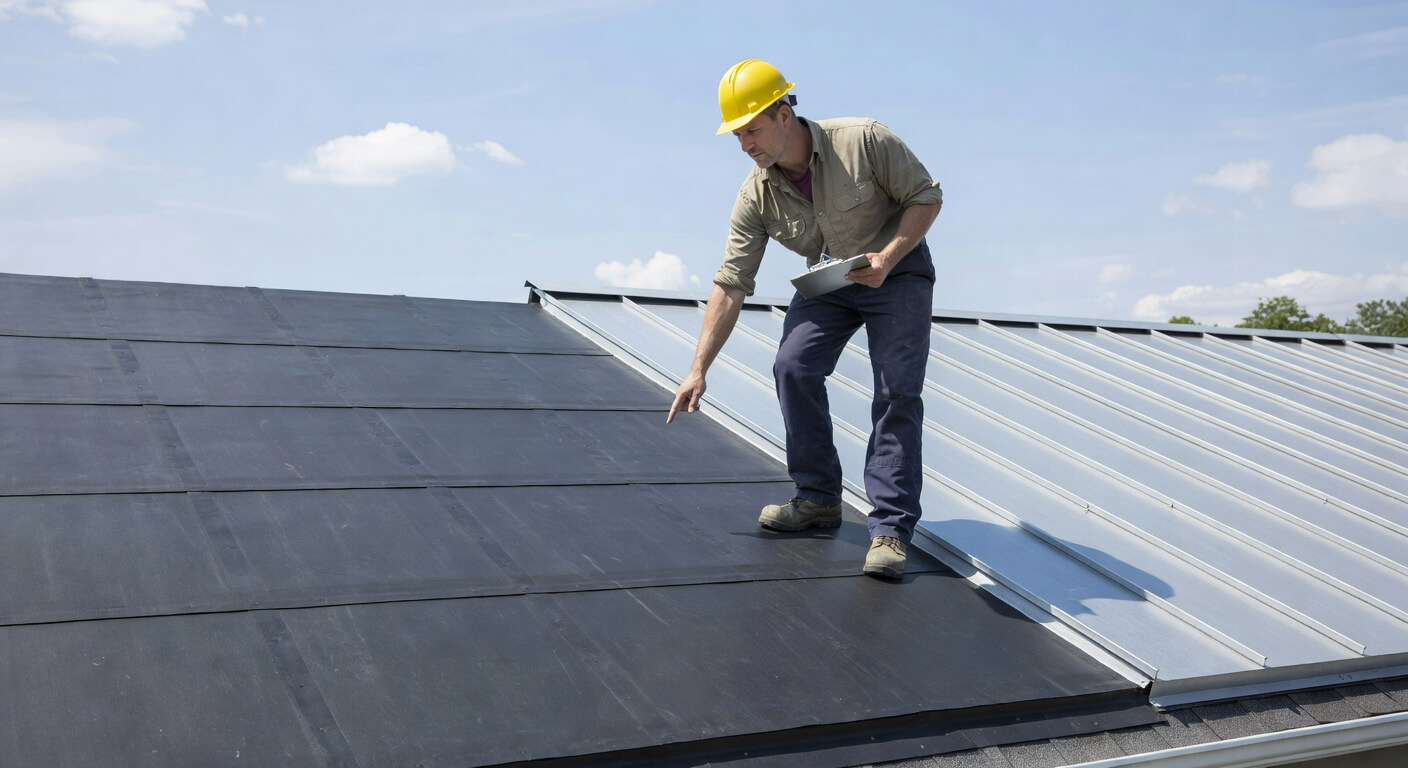
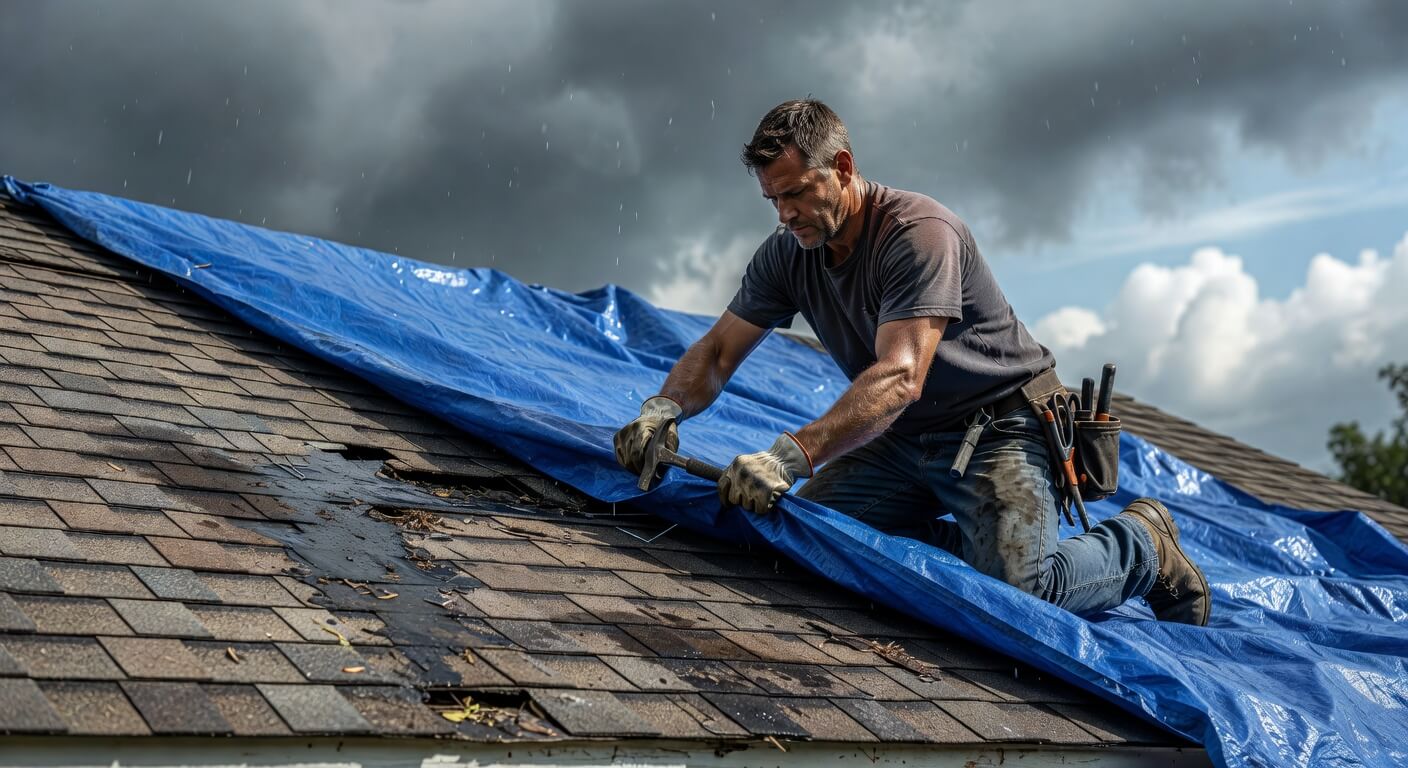
Homeowners and commercial building owners in Edison may wonder when their roof might need professional attention, especially as the vibrant spring season brings about its unique set of roofing challenges. One tell-tale sign of a roofing system in distress is the presence of ponding water, which often points to a sagging or compromised deck. Cracks, blisters, or tears particularly in membranes, are concrete indicators that the roof’s protective layer is failing. If the energy bills have been steadily increasing, it could also signify that the roof’s insulation isn’t performing optimally, a common issue that TPO roofing can address efficiently.
Evaluating Your Roof’s Structure and Insulation
It’s crucial to begin with a thorough assessment of your roof’s structure; a weakened or damaged roof deck will not support a new installation effectively. **Assessing insulation** is equally important; over time, insulation can degrade, which in turn diminishes its ability to maintain a consistent building temperature. Visible rust on metal elements, such as fasteners and flashings, not only signifies wear but can also lead to roof leaks and further structural damage. Edison’s spring rains will quickly expose any insufficient roofing, so it’s wise to preemptively deal with these **structural and insulation concerns** before they worsen.
Choosing Materials Tailored to Edison’s Climate
The selection of the right TPO membrane is crucial and must be tailored to withstand Edison’s seasonably warm spring climate that soon blends into the extremes of summer heat. A thick, durable TPO membrane will stand up to the thermal expansion and contraction, affording your building **durable protection**. Consider a lighter-colored membrane to reflect sunlight and contribute to lower cooling costs, a smart choice during longer daylight hours. And remember, a quality manufacturer’s warranty can bring peace of mind, ensuring that your investment in TPO roofing is protected against unforeseen material defects.
Preparing for TPO Roofing Installation
Preparing for a **TPO roofing installation** begins long before the materials arrive on-site; it starts with the thorough preparation of your existing roof’s surface. This preparation can avert many common installation problems, ensuring the longevity and performance of your TPO roofing system. Scrubbing away algae, dirt, and debris reveals hidden issues such as minor leaks or wear that must be addressed prior to installation. Ensuring that the substrate is pristine allows for optimal adhesion of the TPO membrane, a detail that can make or break the success of your roofing project.
Installing TPO Roofing with Precision
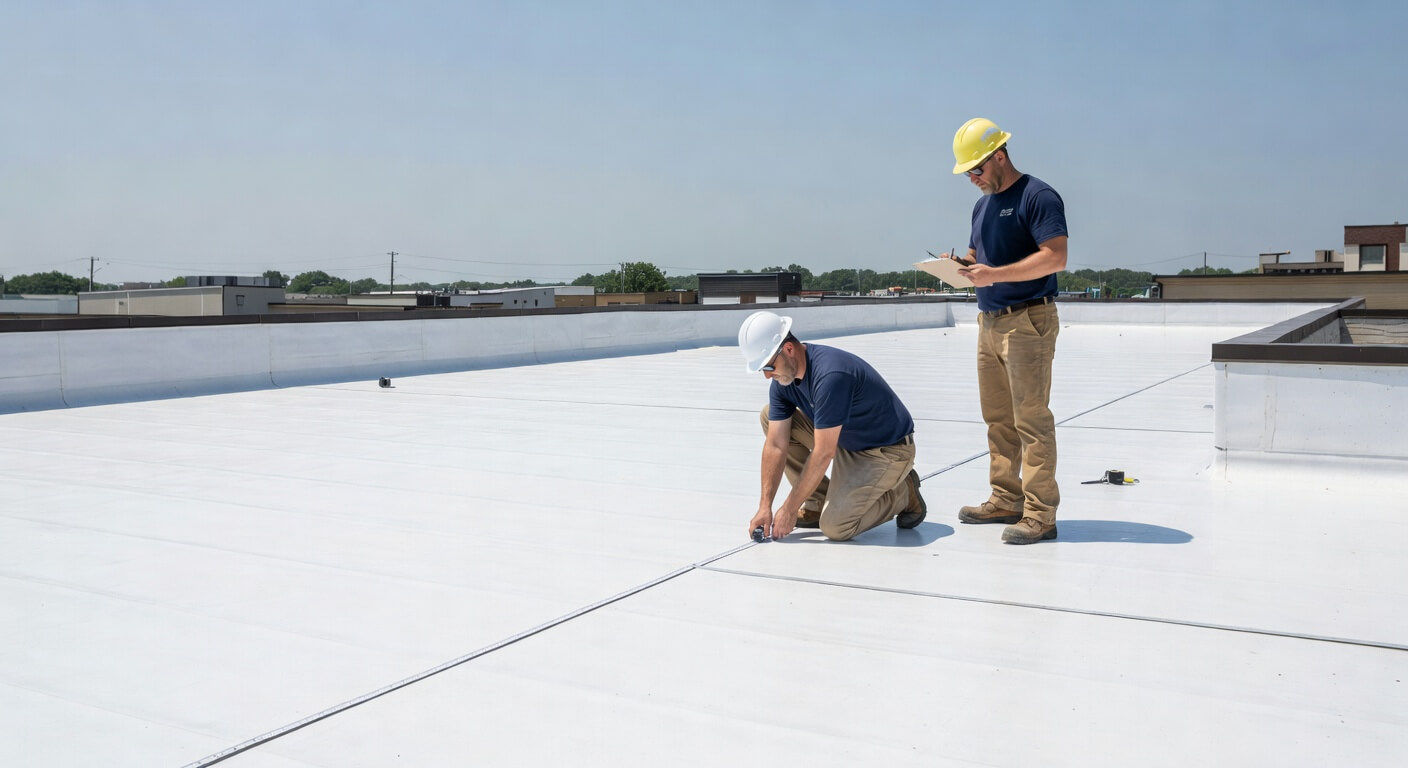
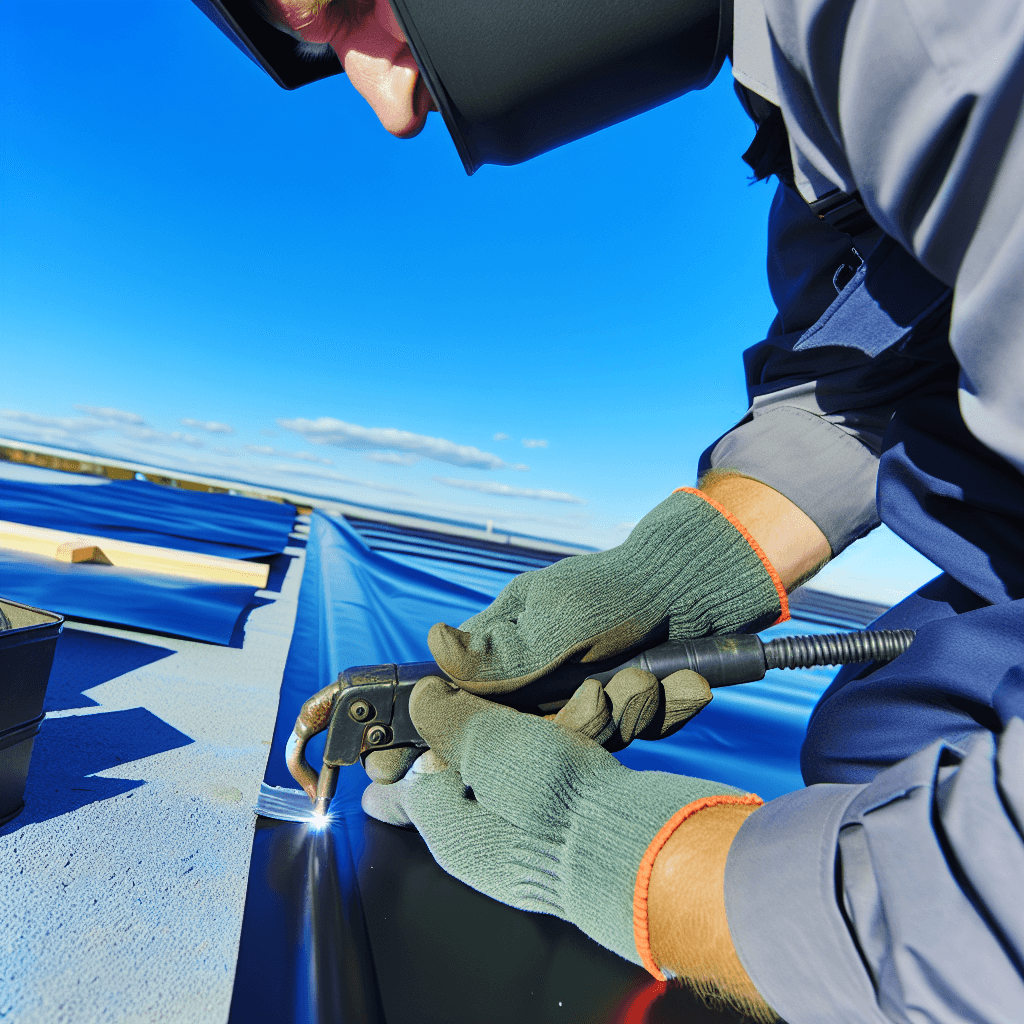
**Proper TPO membrane installation** is critical as it forms the main barrier against the elements, safeguarding the structure beneath. Professionals often use a methodical approach to rolling out the material, ensuring that it’s precisely aligned and free from air pockets or wrinkles. Each section is thoroughly welded at the seams, creating a continuous, watertight seal—essential for optimal performance during seasons of varied weather. For those that prioritize maintaining the integrity of their property, expert TPO roofing services are indispensable, providing assurance that the roof will stand the test of time and weather.
Step 1: Understand TPO Roofing Material
Begin with an overview of what TPO (Thermoplastic Polyolefin) roofing is and why it is preferred for commercial roofing applications. Explain its energy efficiency benefits and how it suits varying climates, particularly in Edison during the spring season.
Step 2: Assess Your Roofing Needs
Detail how to evaluate the current state of one’s roof and determine if TPO roofing is a suitable solution. Discuss considerations regarding the existing roof’s structure, insulation needs, and the potential for TPO material to improve the building’s thermal performance.
Step 3: Choose the Right TPO Membrane
Provide guidance on selecting the appropriate TPO membrane, factoring in thickness, color, and manufacturer warranties. Mention how these choices can impact the overall TPO roofing installation best practices, cost, and longevity.
Step 4: Prepare the Roof Surface
Walk the reader through the necessary steps to prepare the actual roof surface for TPO installation. This involves cleaning the substrate, checking for damages, and making repairs as needed to ensure a flat, smooth surface for optimal membrane adhesion.
Step 5: Install Insulation
Explain the significance of installing proper insulation before laying down the TPO membrane. Highlight the types of insulation compatible with TPO roofing and how they contribute to energy efficiency.
Step 6: Lay Down TPO Membrane
Describe the process of rolling out the TPO membrane, ensuring it’s properly aligned and secure. Outline best practice techniques for welding seams to create watertight bonds between membrane sheets.
Step 7: Secure the Membrane Edges
Detail how to properly fasten the edges of the TPO membrane to avoid wind uplift and water infiltration, emphasizing the methods of attachment such as mechanical fastening or adhering.
Step 8: Inspect and Maintain Your TPO Roof
Conclude with the recommendations for regular inspection and maintenance of the TPO roof to extend its lifespan. Offer tips for identifying potential issues early and conducting preventative maintenance, particularly during the seasonal transitions to harsher weather conditions.
Avoiding Common TPO Roofing Installation Mistakes
When undertaking a TPO roofing project, being aware of common installation pitfalls can save you both time and money. Many of these mistakes stem from a lack of understanding about the material itself and the precision required in the installation process. By staying informed and attentively following best practices, property owners can ensure their TPO roofing installation is done correctly and efficiently.
Mistake 1: Ignoring Roof Evaluations
Many DIY enthusiasts make the mistake of not properly assessing their roof’s current state before beginning a TPO installation. Bypassing a thorough evaluation can lead to improper membrane installation over a damaged substrate, resulting in leaks and reduced insulation efficiency. Prevent this by carefully inspecting for any existing damage and addressing problems before installation.
Mistake 2: Choosing the Wrong TPO Membrane
Selecting a TPO membrane that is too thin, lacks proper UV protection, or is unsuitable for the local climate can shorten its lifespan and effectiveness. This often happens due to prioritizing cost over quality or simply misunderstanding the requirements of the roofing system. Avoid this by selecting a membrane that balances cost and quality, and is appropriate for Edison’s spring and summer weather.
Mistake 3: Poor Roof Surface Preparation
Overlooking the importance of a clean and smooth substrate for membrane adhesion is a common oversight. Debris and uneven surfaces can impede the proper laying of the TPO membrane, leading to vulnerabilities at the seams. Prevent this error by diligently cleaning and leveling the surface before membrane application.
Mistake 4: Inadequate Seam Welding
Ineffective seam welding can compromise the entire roofing system, as this is where leaks are most likely to occur. Sometimes, individuals rush this process or use incorrect welding techniques due to inexperience. To avoid this, take your time and use the recommended heat settings to ensure a watertight bond at each seam.
Mistake 5: Neglecting Regular Maintenance
Post-installation, failure to inspect and maintain the TPO roof can result in unnoticed damage and degradation over time. Individuals may believe that once installed, TPO roofing requires no further attention. To prevent issues from arising, adhere to a scheduled maintenance plan, especially after environmental changes and seasonal transitions.
Remember, these mistakes are avoidable with careful planning and adherence to best practices throughout the TPO roofing installation process.
Maintaining Your TPO Roof After Installation
After the installation process, maintenance becomes the key to prolonging your TPO roof’s lifespan. Regular inspections, especially after Edison’s spring storms, can prevent minor damage from turning into major repairs. Scheduling professional roofing inspections is advised as experts can spot issues that are not always evident to the untrained eye.
Extending the Life of your TPO Roofing
Maintaining a TPO roof requires vigilance, and with appropriate care, this roofing type can last for decades. It’s especially important to keep the surface free of debris and to address pooling water issues swiftly. By ensuring your roof’s drainage system is clear and functional, you can safeguard against the most common causes of TPO roofing wear and tear.