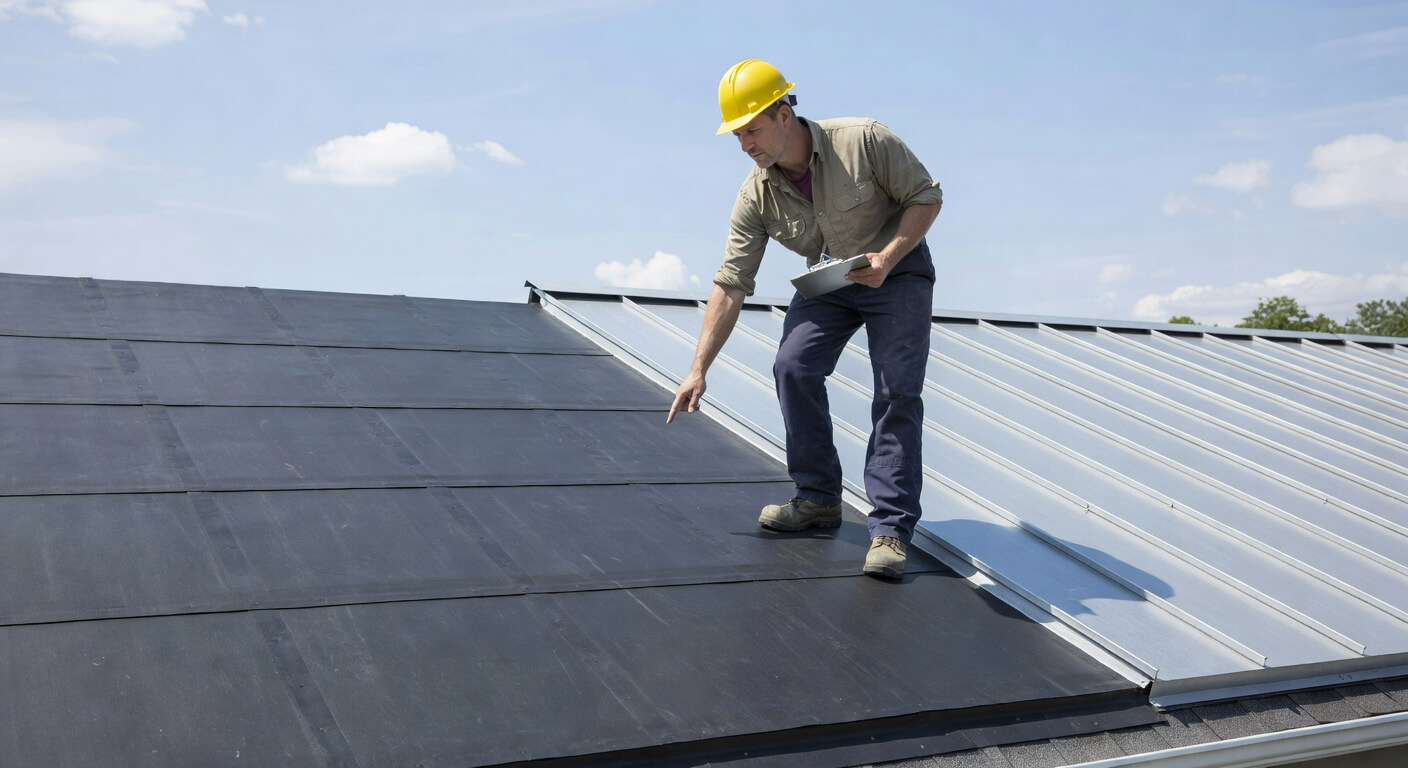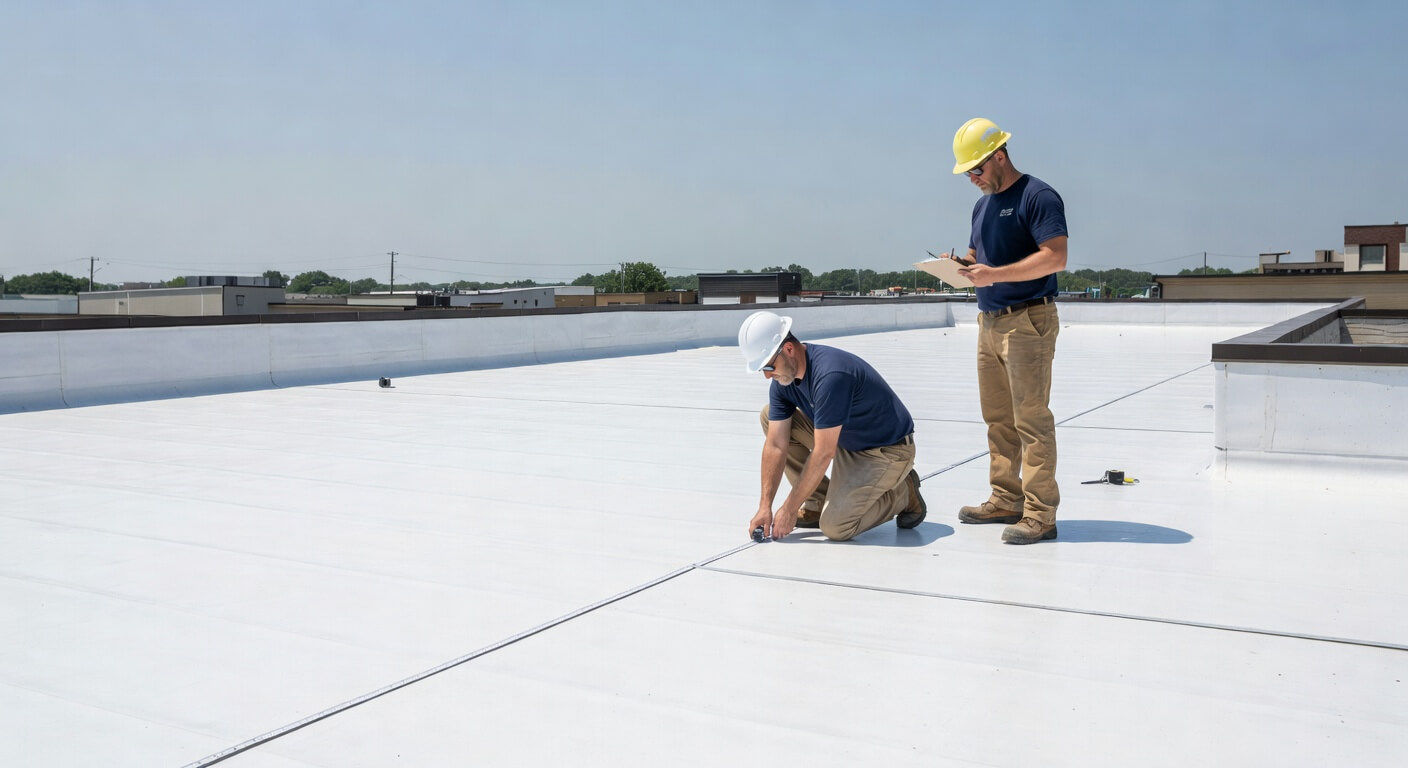
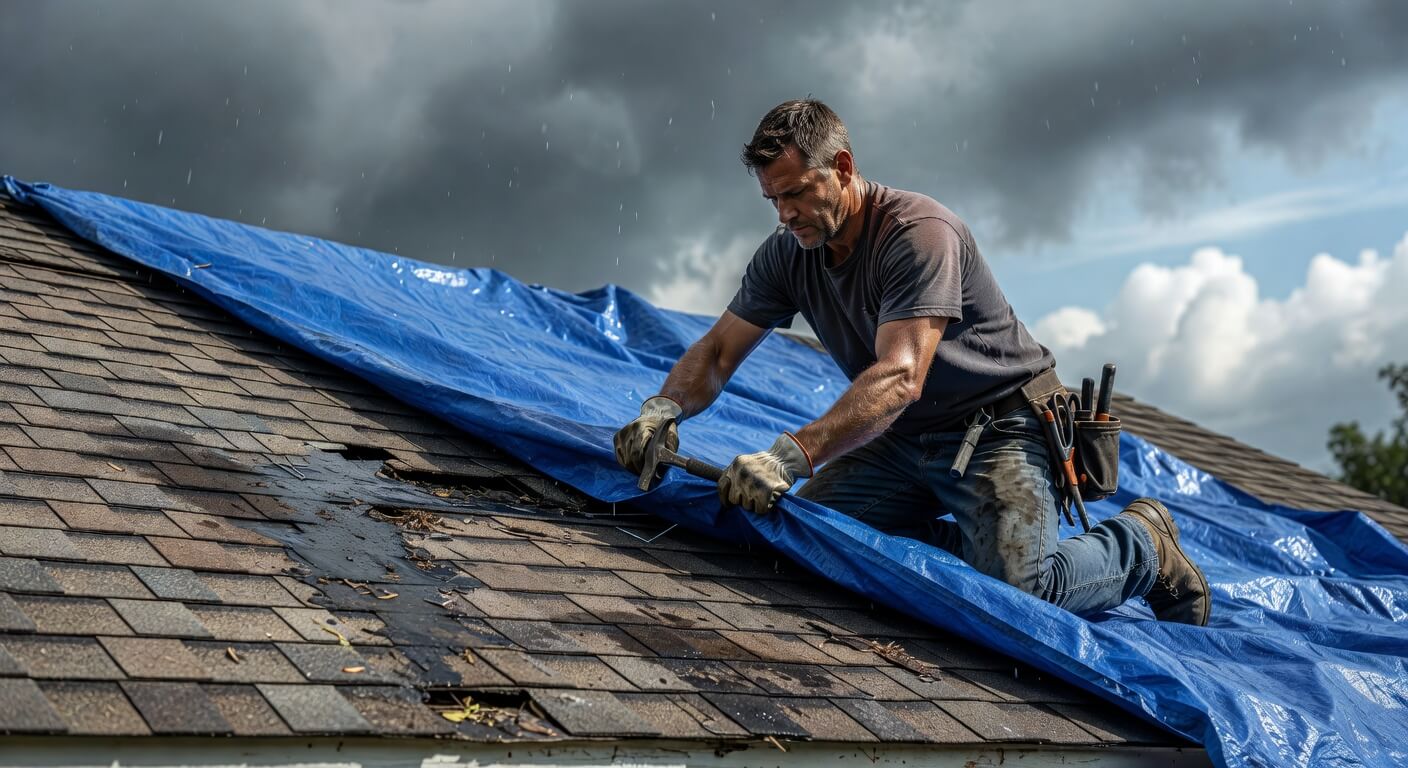
• Emergency roof tarping helps protect your home fast after storm damage by covering exposed areas and slowing down leaks before repairs begin.
• A tarp is only a temporary fix, but when it is placed and secured the right way, it can help prevent more water damage to ceilings, walls, and insulation.
• Knowing the right steps, common mistakes, and when to get help can make emergency roof tarping safer and more effective for homeowners in Middletown Township.
What to Do When Roof Damage Can’t Wait
When a storm tears open your roof, water can move fast and cause damage inside your home. That is why how does emergency roof tarping work is such an important question to ask right away. In Middletown Township, summer storms can bring heavy rain and strong wind, so quick action matters.
A tarp gives your roof a short-term shield until full repairs can be made. It helps slow down leaks, protect the inside of the home, and keep the damage from spreading. If you wait too long, a small opening can turn into a much bigger problem.
We often remind property owners that the first few hours after roof damage are critical. The goal is not to fix everything on the spot, but to stop more water from getting in. For more help with roof issues, we also offer [roofing services](https://tonysroofing.com/).
Why Tarping Works So Well
Emergency roof tarping works by covering the damaged area with a strong waterproof sheet that is secured in place. The tarp is placed to shed water away from the opening and reduce the chance of more leaks during the wait for repairs. It is a practical fix that gives homeowners time to plan the next step safely.
The tarp must be attached carefully so wind does not pull it loose or let water slip underneath. That is why clean placement, proper coverage, and secure fastening all matter. When done the right way, it can help protect ceilings, walls, insulation, and belongings from extra damage.
In many cases, tarping is the first step after storm damage before permanent work begins. It is especially useful when the roof deck is exposed or when shingles have blown away in a large section. The faster the covering goes up, the better the chance of limiting indoor damage.
Step-by-Step Guide
How Does Emergency Roof Tarping Work?
🧭 Step 1: Check the Damage Safely
Start by looking at the roof from the ground if possible and avoid climbing up if the surface is wet or unstable. The goal is to see where the opening is and how large the damaged area may be. Safety comes first because a slick roof or loose debris can cause serious injury.
📏 Step 2: Measure the Exposed Area
Measure the damaged section so the tarp can cover the problem area with enough overlap. A tarp that is too small may let water in around the edges. Extra coverage helps keep the exposed material protected during rain and wind.
🧹 Step 3: Clear Loose Debris
Remove loose shingles, branches, and debris from the area if it can be done safely. This helps the tarp lie flat and reduces the chance of punctures. A clean surface also makes it easier to secure the covering tightly.
🪢 Step 4: Position the Tarp Correctly
Place the tarp so it extends past the damaged area and can direct water away from the opening. It should cover the roof section fully and reach over the ridge when needed. Good placement is important because poor positioning can allow water to gather under the tarp.
🔧 Step 5: Secure the Tarp Firmly
Use the proper fasteners or weight system to hold the tarp in place. The covering must stay tight so wind does not pull it free and rain does not sneak underneath. A loose tarp can cause more damage than it prevents.
🌧️ Step 6: Check for Drainage
Make sure water can run off the tarp instead of pooling on top of it. Standing water adds stress and can pull the covering out of place. A slight slope and firm edges help the tarp work the way it should.
⏳ Step 7: Monitor the Area
Look at the tarp after heavy rain or strong wind to make sure it is still holding. Small shifts can open new gaps and let water back in. Regular checks help keep the temporary protection working until repairs begin.
🛠️ Step 8: Move Forward With Repairs
Use the tarp as a short-term shield while arranging permanent roof repair. It is designed to limit damage, not replace a full fix. The sooner the damaged roofing is repaired, the less chance there is for deeper structural problems.
Common DIY Mistakes to Avoid
Trying to tarp a roof on your own can seem simple, but small mistakes can lead to bigger water problems. Many people rush the job because they are focused on stopping the leak fast. Careful setup matters because a tarp only works when it is placed and secured the right way.
- ⚠️ Mistake 1: Climbing Up Without Checking Safety
This happens when people want to act fast and skip a ground-level inspection. Wet shingles, loose debris, and steep slopes can make the roof unsafe, especially after a storm. To prevent this, assess the damage from below first and avoid the roof if conditions are not safe. - ⚠️ Mistake 2: Using a Tarp That Is Too Small
A small tarp often leaves exposed edges, which lets wind and water get underneath. This mistake usually happens when someone guesses the size instead of measuring the damaged area. Prevent it by measuring carefully and choosing a tarp that reaches well beyond the opening. - ⚠️ Mistake 3: Leaving Debris in Place
Branches, broken shingles, and other sharp debris can tear the tarp or keep it from lying flat. People often skip cleanup because they want to cover the roof as fast as possible. The fix is simple: remove loose material before placing the covering, if it can be done safely. - ⚠️ Mistake 4: Securing the Tarp Poorly
A loose tarp can flap in the wind, shift out of place, or allow water to get through. This usually happens when the fasteners are placed too far apart or the edges are not tightened enough. To avoid this, make sure the tarp is held down firmly and checked for movement. - ⚠️ Mistake 5: Forgetting to Watch for Water Pooling
When water sits on top of a tarp, it can add weight and pull the material out of position. This problem often appears after heavy rain when the tarp is not sloped correctly. Prevent it by making sure the tarp sheds water away from the damaged area and by checking it after storms.
Frequently Asked Questions
How does emergency roof tarping work?
It works by covering the damaged part of the roof with a waterproof tarp that helps block rain and wind. The tarp is secured tightly so it stays in place until permanent repairs can be made. This gives homeowners time to protect the home from more water damage.
How long can an emergency roof tarp stay on?
It can stay on for a short period, but it is only a temporary fix. The exact time depends on weather, damage size, and how well the tarp is secured. The roof should be repaired as soon as possible to avoid further problems.
Can emergency roof tarping stop leaks right away?
Yes, it can help stop leaks from getting worse right away. The tarp covers the exposed area and reduces the amount of water that gets inside. It does not repair the roof, but it can buy valuable time.
Is emergency roof tarping safe during summer storms?
Yes, it is often used during summer storm damage when rain and wind create a fast-moving problem. The key is to handle it carefully and avoid unsafe roof conditions. In Middletown Township, quick protection can help reduce damage during storm season.
Should I tarp my roof myself after storm damage?
It depends on the size of the damage and how safe the roof is to access. Small jobs may seem manageable, but a wet or unstable roof can be risky. If the area is large or hard to reach, professional help is usually the safer choice.
Wrapping Up the Next Step
Emergency roof tarping is a smart short-term step when storm damage leaves your home exposed. It helps block water, slow down further damage, and give you time to arrange proper repairs. In a place like Middletown Township, that quick response can make a real difference during summer weather.
The most important thing is to act fast, stay safe, and make sure the tarp is placed and secured correctly. A temporary fix can protect your home now, but lasting roof repair should follow soon after. If you want to stay connected with our team, follow us on social media.