

Home / Glossary / Storm Damage Restoration

Storm Damage Restoration Glossary & Terminology Guide

Understanding the language of storm damage restoration is essential for every homeowner. Whether you're filing an insurance claim, speaking with a contractor, or assessing your roof after a major storm, knowing these key terms will help you make informed decisions about restoring and protecting your property.

Free Roofing Estimate

This field is for validation purposes and should be left unchanged.
Name(Required)
Street Address(Required)
Key roofing terms

Essential Terms Every Homeowner Should Know

Hail Impact Damage
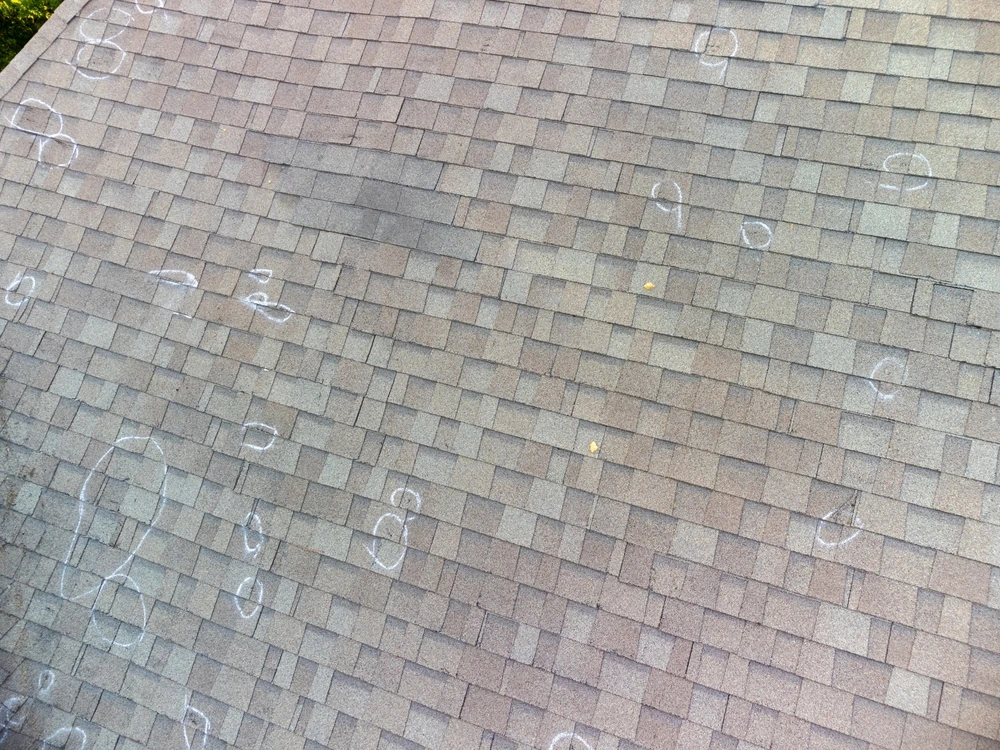
Hail impact damage refers to the physical harm caused to roofing materials when hailstones strike the surface with force. On asphalt shingles, this often appears as soft spots, bruising, or the loss of protective granules that expose the underlying mat. Even hail that seems minor can compromise your roof’s waterproofing ability, shorten its lifespan, and create vulnerabilities that lead to leaks over time if not properly inspected and restored.
Wind uplift is the force created when high-speed winds pass over a roof surface, generating negative pressure that pulls roofing materials upward and away from the structure. This phenomenon can loosen or tear off shingles, flashing, and even entire roof sections during severe storms. Roofs with improper installation or aging fasteners are especially susceptible, making professional assessment critical following any significant wind event.
Roof decking, also called roof sheathing, is the structural panel layer — typically plywood or oriented strand board (OSB) — that sits beneath your shingles and other roofing materials. During storm damage restoration, contractors inspect the decking for signs of moisture infiltration, soft spots, rot, or structural compromise caused by water intrusion after shingles are torn away. Damaged decking must be replaced before new roofing materials are installed.
Flashing consists of thin metal strips — typically aluminum or galvanized steel — installed at roof joints, transitions, and penetrations such as chimneys, skylights, and vents. Its purpose is to create a watertight seal in areas most vulnerable to leaks. Storm events can loosen, bend, or completely displace flashing, which is one of the most common entry points for water intrusion following high winds or heavy rain.
Granule Loss
Granule loss refers to the displacement of the small mineral particles embedded in the surface of asphalt shingles. These granules protect the shingle’s asphalt coating from UV degradation and physical impact. Severe storms — particularly hailstorms — accelerate granule loss significantly. You may notice granules collecting in your gutters or downspouts after a storm, which is a key indicator that your roof may need professional inspection and possible restoration.
A supplemental claim is an additional insurance claim submitted after the original claim settlement when new or previously overlooked storm damage is identified during the restoration process. During roofing repairs, contractors may uncover hidden damage — such as compromised decking or damaged underlayment — that was not visible during the initial adjuster inspection. Filing a supplement ensures all legitimate damage is covered and helps prevent out-of-pocket expenses for homeowners.
Underlayment is a water-resistant or waterproof barrier material installed directly on the roof decking beneath the primary roofing material, such as shingles or tiles. It serves as a secondary line of defense against water infiltration in the event that the outer roofing layer is compromised during a storm. During restoration projects, inspecting and replacing damaged underlayment is a critical step in ensuring long-term weather protection for the home.
The scope of loss is a detailed, itemized document prepared by a roofing contractor or insurance adjuster that outlines all storm-related damage identified on a property. It specifies the materials, labor, and costs associated with fully restoring the home to its pre-storm condition. A thorough and accurate scope of loss is essential during the insurance claims process, as it directly determines the compensation a homeowner receives for repairs.
Storm Damage Restoration

(862) 576-5264

Why Choose Us

Why Choose Tony's Roofing for Storm Damage Restoration

Local NJ & PA Expertise

Based in Union, NJ, we understand regional weather patterns, local building codes, and architectural styles, serving homeowners across New Jersey and Pennsylvania with trusted, community-focused restoration services.

Insurance Claim Assessors

Tony personally meets with insurance adjusters, provides thorough documentation of all damage, and advocates for fair claim settlements, having helped hundreds of NJ homeowners navigate the restoration process successfully.

Drone Roof Inspections

We use advanced drone technology to conduct thorough roof assessments without stepping on damaged or unstable surfaces, ensuring accurate evaluations and detailed documentation for your insurance claim.

Owner-Operated Service

Tony personally oversees every storm damage restoration project from initial inspection to final walkthrough, giving you direct communication with the owner at every stage of the process.

Same-Day Estimates

We respond quickly — often scheduling inspections the same day you call — and deliver written estimates with transparent, upfront pricing and no hidden fees.

GAF Certified Contractor

As a GAF Certified installer, we meet rigorous standards for training, licensing, and insurance, allowing us to offer enhanced warranty options of up to 50 years on qualifying restoration projects.

Get started today

Protect Your Home with Knowledge

Understanding these essential storm damage restoration terms empowers you to have more confident, productive conversations with contractors and insurance adjusters when it matters most. Recognizing the signs of damage early — from granule loss to compromised flashing — can mean the difference between a straightforward restoration and a costly, prolonged repair. Don't wait for minor storm damage to become a major structural problem.