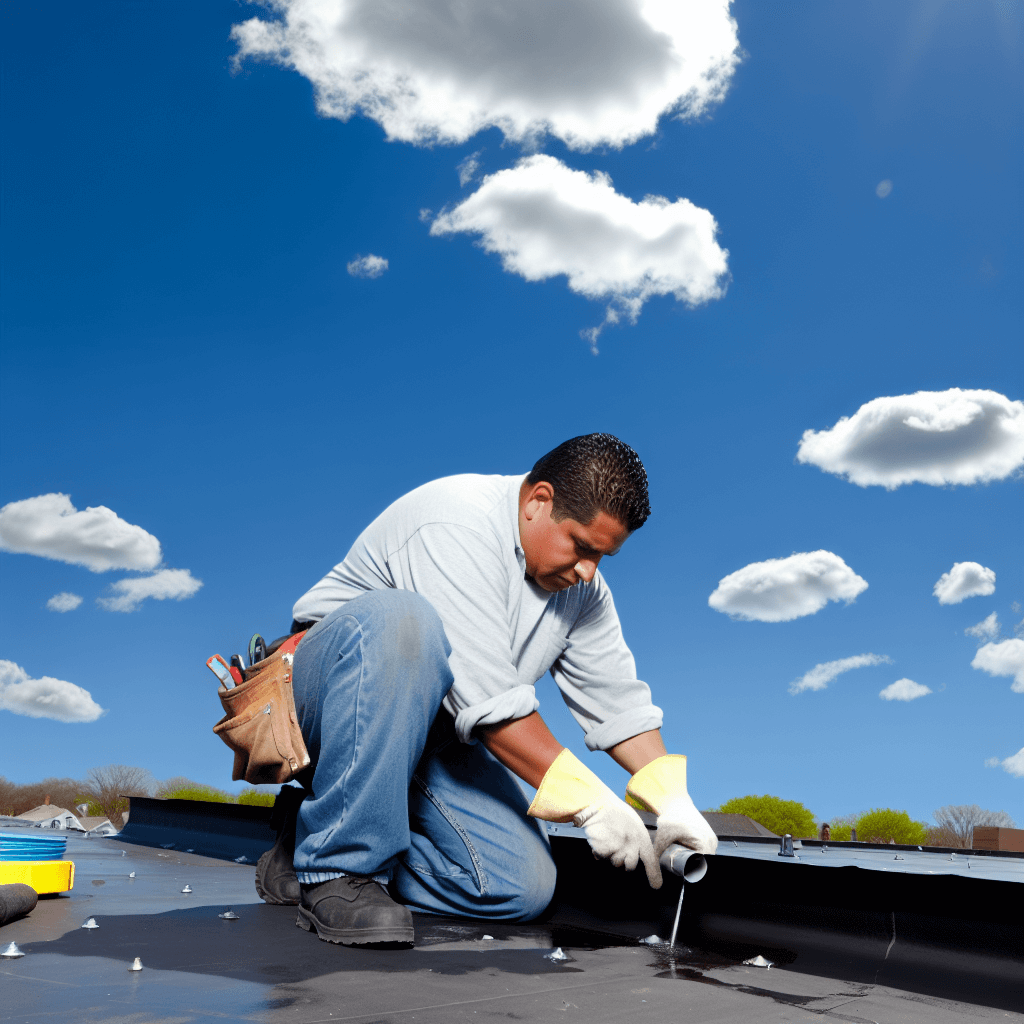
• Essential Drainage Tips: Uncover the crucial steps for preparing your commercial flat roof’s drainage system this spring, ensuring longevity and functionality.
• Preventative Measures: Learn about the importance of regular maintenance checks to prevent water damage and costly repairs down the line.
• Professional Guidance: Discover expert advice on how to properly clean drains and downspouts, and why hiring a professional can save you time and resources.
Securing Your Roof’s Future
When the clouds clear and the sun shines down on Piscataway, you’ll want the peace of mind that comes from knowing your commercial flat roof is prepared for all that spring can throw at it. We’ve covered the urgency of maintenance, the essentials of addressing concerns, and the innovative solutions available—all integral parts of a holistic strategy for **roof longevity**. The final piece of the puzzle is consistent follow-up and expert consultation to ensure enduring protection. Implementing routine inspections will help catch potential problems before they escalate, and professional assessments can guide effective, tailored solutions. The end goal is always the same: a dependable, well-maintained roof that stands the test of time and weather.
Mapping Out a Maintenance Plan
At this point, you might be wondering, “What’s my next step to ensure my roof remains in top condition?” Simple: devise a maintenance plan, stick to it, and revise it as needed with insights from seasoned professionals. Consider seasonal variances in Piscataway and how they affect your flat roof’s drainage needs, allowing your plan to be adaptive and responsive. **Partner with skilled roofers** to assess and tweak your plan, integrating the latest industry insights. And remember, maintenance is not a cost; it’s an investment in your property’s safety and your business’s uninterrupted operations.
Final Thoughts: This Season and Beyond
As experts in the **roofing industry**, we understand that trust is built not just through delivering results but by fostering relationships that stand strong as the structures we work on. Reaching out to Tony’s Roofing is more than contacting a service provider — it’s gaining a partner who invests in the longevity and safety of your commercial property. Our track record speaks volumes, not just in words, but in the long-lasting roofs over businesses throughout Piscataway. Trust in our commitment to proactive and preventive care for your commercial flat roof so that, no matter the season, your operations flow as smoothly as the water on your well-prepared drainage system. Let us help you protect your asset and secure your business’s foundation from the roof down.
A Crucial Time for Roof Readiness
If there’s one aspect of commercial property management that can’t be overlooked, it’s ensuring your flat roof can handle the spring season’s downpours. Water damage from inadequate drainage doesn’t just mean a quick fix; it can snowball into colossal repair bills and disastrous structural damage. **For Tony’s Roofing in Piscataway**, prioritizing **commercial flat roof drainage preparation** as the seasons shift is not just a recommendation; it becomes a necessity. The cost of neglect could be steep, from ruining inventory to interrupting daily operations, which is why spring is the time to act. Render your business immune to the seasonal shift with preemptive roof drainage measures.
Debunking Drainage Myths
It’s a common myth that flat roofs don’t need the same attention to drainage as sloped roofs—this couldn’t be further from the truth. Flat roofs have unique needs, and without proper planning, spring’s heavy rainfall could lead to standing water accumulating in areas across your roof. **This pooling is more than an eyesore**—it’s a silent assailant to your roofing system, inviting leaks, mold, and degradation. How do you know if your drainage is up to snuff? It’s pivotal to be able to identify signs of poor drainage now, to avoid a cascade of problems later.
Addressing the Urgency
Consider this: a small pond on your roof can turn into a giant-sized headache virtually overnight. Proper drainage is not just about damage control—it’s about damage prevention. As roofing experts, we’ve seen the drawbacks of postponed maintenance; it’s similar to watching a ticking time bomb. Investing now in **effective drainage preparation can save significant capital in the long run**. Don’t wait for visible damage to make the first move—proactive measures today can keep your commercial flat roof high and dry for seasons to come.
Securing Your Roof’s Future
When the clouds clear and the sun shines down on Piscataway, you’ll want the peace of mind that comes from knowing your commercial flat roof is prepared for all that spring can throw at it. We’ve covered the urgency of maintenance, the essentials of addressing concerns, and the innovative solutions available—all integral parts of a holistic strategy for **roof longevity**. The final piece of the puzzle is consistent follow-up and expert consultation to ensure enduring protection. Implementing routine inspections will help catch potential problems before they escalate, and professional assessments can guide effective, tailored solutions. The end goal is always the same: a dependable, well-maintained roof that stands the test of time and weather.
Mapping Out a Maintenance Plan
At this point, you might be wondering, “What’s my next step to ensure my roof remains in top condition?” Simple: devise a maintenance plan, stick to it, and revise it as needed with insights from seasoned professionals. Consider seasonal variances in Piscataway and how they affect your flat roof’s drainage needs, allowing your plan to be adaptive and responsive. **Partner with skilled roofers** to assess and tweak your plan, integrating the latest industry insights. And remember, maintenance is not a cost; it’s an investment in your property’s safety and your business’s uninterrupted operations.
Final Thoughts: This Season and Beyond
As experts in the **roofing industry**, we understand that trust is built not just through delivering results but by fostering relationships that stand strong as the structures we work on. Reaching out to Tony’s Roofing is more than contacting a service provider — it’s gaining a partner who invests in the longevity and safety of your commercial property. Our track record speaks volumes, not just in words, but in the long-lasting roofs over businesses throughout Piscataway. Trust in our commitment to proactive and preventive care for your commercial flat roof so that, no matter the season, your operations flow as smoothly as the water on your well-prepared drainage system. Let us help you protect your asset and secure your business’s foundation from the roof down.
Expert Drainage Strategies for Flat Roofs
Tip 1:
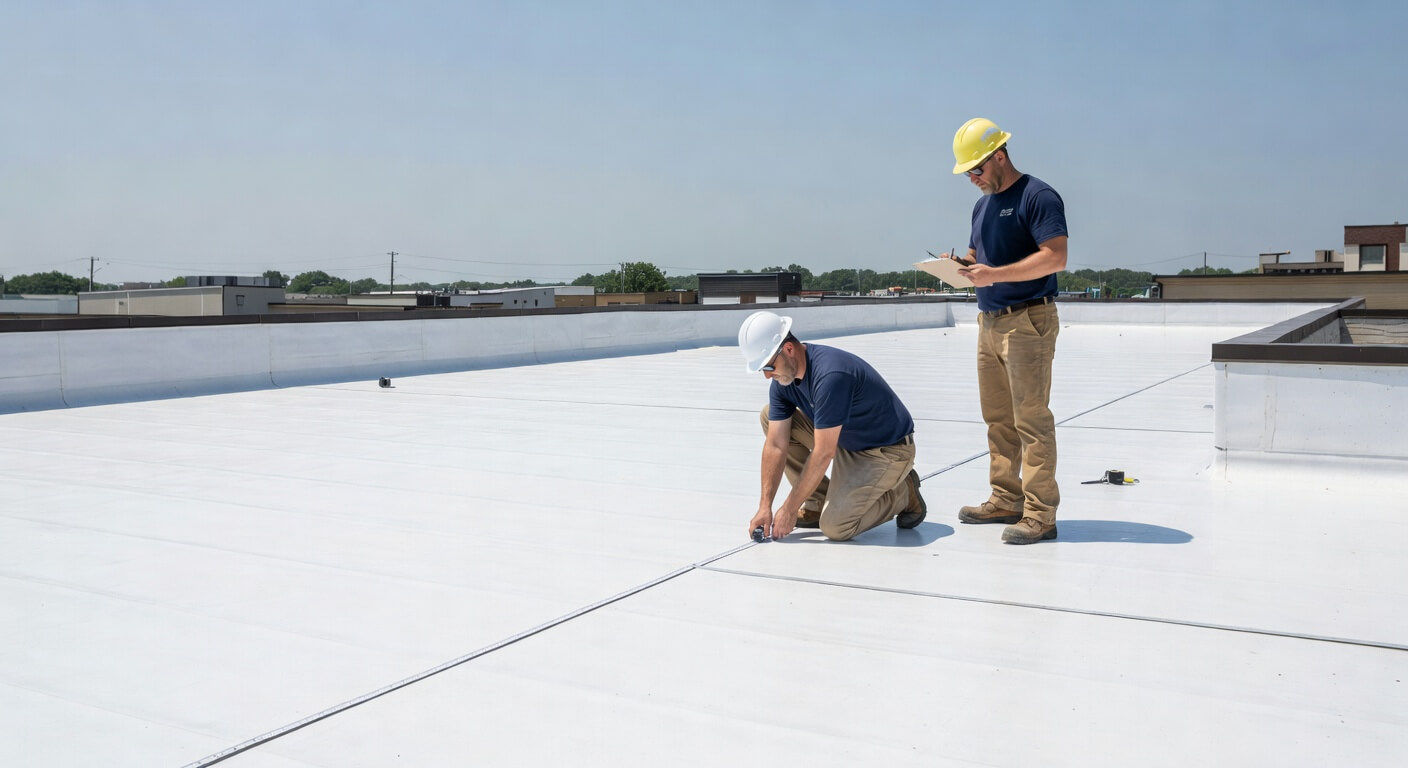
Ensure regular drainage inspections, especially post-winter, to identify any blockages or debris. Springtime’s increased rainfall in Piscataway can transform minor clogs into major issues, so proactive checks are essential.
Tip 2:
Consider the installation of additional drainage solutions like scuppers or internal drains if your current system is inadequate. These are especially useful for larger commercial buildings where water pooling is a frequent concern.
Tip 3:
Incorporate a schedule for cleaning gutters and downspouts as part of your roof maintenance plan. This helps to prevent overflow and water damage, which can be costly to repair if ignored.
Tip 4:
Address the landscape and infrastructure around your building that may impact roof drainage. Proper grading and functional stormwater systems can significantly improve the efficiency of your roof’s drainage.
Tip 5:
Audit your roof’s structure for potential ponding issues, and if necessary, retrofit with tapered insulation or crickets. These adjustments can guide water toward drains and prevent the deterioration of roofing materials over time.
Expert Answers to Your Drainage Queries
How can I tell if my commercial flat roof has adequate drainage?
You’ll know your flat roof has adequate drainage when there’s no standing water 48 hours after precipitation and water flows freely through downspouts. Also, check for clear drainage paths and absence of water marks or damage on the ceiling.
What are the best practices for maintaining drainage systems on flat roofs?
Regular debris removal, ensuring the drains are not obstructed, and scheduling professional inspections twice a year are best practices for maintaining flat roof drainage systems. Additionally, having a maintenance plan in place is key for longevity.
How often should commercial flat roof drainage systems be inspected?
Your commercial flat roof drainage system should be inspected at least biannually; however, after major weather events or heavy debris fall, additional inspections are advisable. This ensures the system is functioning optimally all year round.
Can clogged drains cause significant damage to a flat roof structure?
Absolutely, clogged drains can lead to pooling water which increases the load on the roof structure, potentially causing leaks, structural damage, and even collapse if not addressed promptly.
What solutions exist for improving drainage on an existing flat commercial roof?
Improving drainage on an existing commercial flat roof can involve installing additional drains, creating tapered areas to direct water flow, or retrofitting with advanced systems like green roofs that absorb rainfall. Consulting with a roofing expert will yield the best solution for your specific roof.