• Overview of emergency roof tarping procedures for protection during freezing conditions
• Essential safety tips and materials needed for effective cold weather roof tarping
• Step-by-step guide to ensure quick and secure roof tarping in winter weather scenarios
Securing Your Home Against Winter’s Fury
As the final flakes settle, and the urgency of the emergency tarping resolves, it’s vital to reflect on the resilience of your home. The tarp is but a temporary bulwark against the relentless winter—it’s a call to action for homeowners to contemplate the enduring solutions. Preventive measures and regular roof maintenance are not mere suggestions; they are indispensable steps towards fortifying your residence against future freezing onslaughts.
Looking ahead, scheduling a thorough inspection with a reputable roofing company is paramount. It’s during these assessments that professionals can identify vulnerabilities in your home’s first line of defense and recommend necessary repairs. This foresight is central to ensuring that the temporary fix doesn’t turn into a perennial problem—especially crucial in areas such as Hackensack, where winter can be relentless. Mitigation begins with taking informed steps, and a trustworthy roofer will offer unmatched expertise and services tailormade for your needs.
For those in need of professional guidance, Tony’s Roofing is here to help—with a single click, you can access their array of commercial roofing services and ensure that your business remains uninterrupted, regardless of what the winter throws your way. Let the experts safeguard your premises with the same diligence and dedication they’d apply to their own. After all, your peace of mind is paramount, and with the support of trusted specialists, you can weather any storm with confidence and security.
Understanding the Urgency of Roof Tarping in Winter
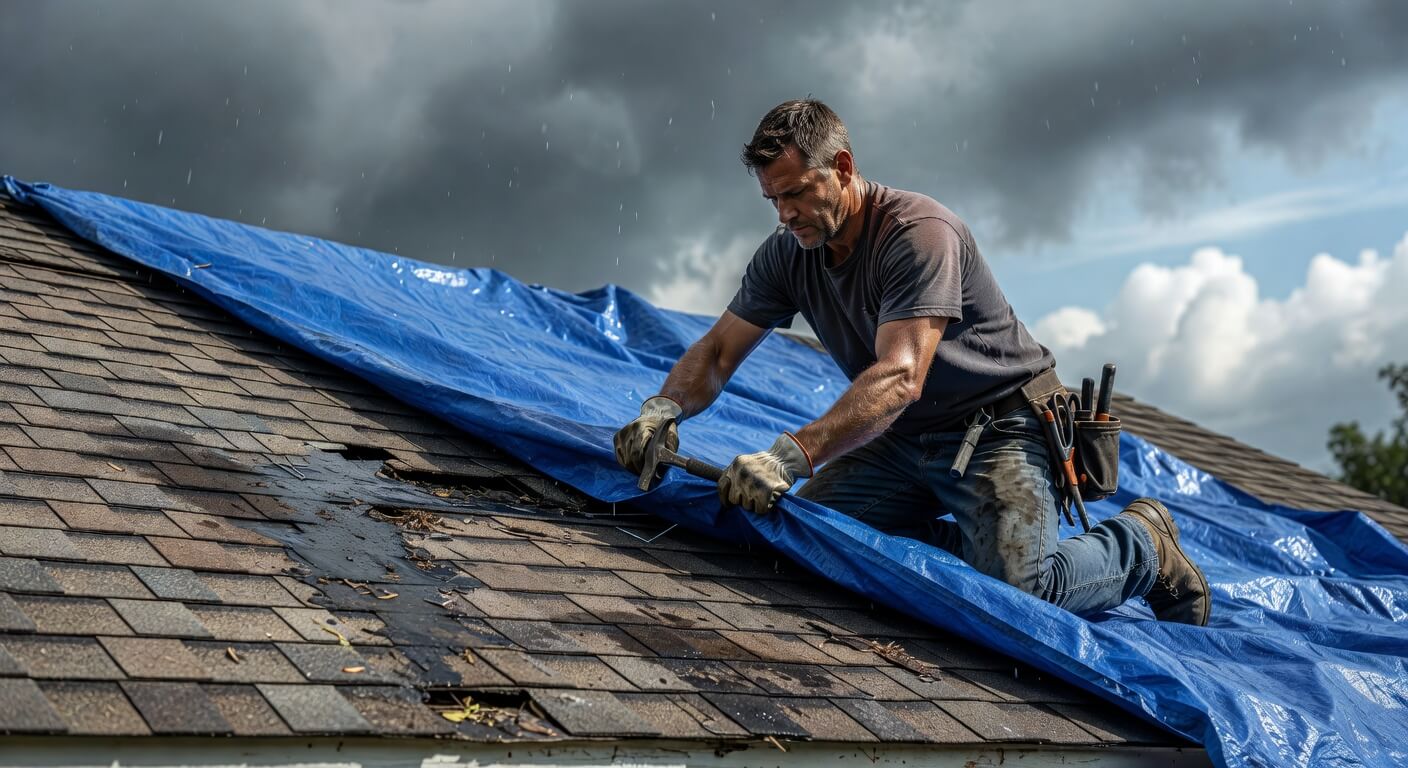
When the icy grip of winter bears down on Hackensack, the safety of your home hangs precariously in the balance. Strong winds coupled with freezing temperatures can turn a small roof leak into a disaster in a matter of hours. The immediate solution? Emergency roof tarping. It’s not just a stop-gap—it’s an urgent measure to protect the sanctity and integrity of your home against the ravages of freezing weather.
Homeowners understand too well that winter brings more than just picturesque snowfall; it also carries the threat of unexpected roof damage. Whether it’s from a fallen branch or the sheer weight of accumulated snow, your roof is at risk. And in that moment of realization, time is not a luxury—it’s a ticking clock. Acting swiftly to apply an emergency tarp can mean the difference between a quick fix and costly, extensive repairs. Do not underestimate the protective power of a simple tarp when the mercury drops.
Imagine waking up to find your attic or upper floors threatened by the penetrating chill and moisture from outside. The thought of water seeping through the ceilings, damaging walls, and personal belongings could quickly become a reality if a tarp isn’t installed in time. Based on industry standards, a professionally installed tarp should shield your home for about 90 days—ample time to arrange for more permanent repairs. But any delay could compromise this safeguard, so recognizing the signs early and initiating emergency tarping is crucial for your home’s protection.
Securing Your Home Against Winter’s Fury
As the final flakes settle, and the urgency of the emergency tarping resolves, it’s vital to reflect on the resilience of your home. The tarp is but a temporary bulwark against the relentless winter—it’s a call to action for homeowners to contemplate the enduring solutions. Preventive measures and regular roof maintenance are not mere suggestions; they are indispensable steps towards fortifying your residence against future freezing onslaughts.
Looking ahead, scheduling a thorough inspection with a reputable roofing company is paramount. It’s during these assessments that professionals can identify vulnerabilities in your home’s first line of defense and recommend necessary repairs. This foresight is central to ensuring that the temporary fix doesn’t turn into a perennial problem—especially crucial in areas such as Hackensack, where winter can be relentless. Mitigation begins with taking informed steps, and a trustworthy roofer will offer unmatched expertise and services tailormade for your needs.
For those in need of professional guidance, Tony’s Roofing is here to help—with a single click, you can access their array of commercial roofing services and ensure that your business remains uninterrupted, regardless of what the winter throws your way. Let the experts safeguard your premises with the same diligence and dedication they’d apply to their own. After all, your peace of mind is paramount, and with the support of trusted specialists, you can weather any storm with confidence and security.
Expert Advice for Emergency Roof Tarping
Tip 1:
Immediate response is critical to prevent water damage. As soon as you notice damage, assess the safety and either tarp the roof yourself or call for professional help right away.
Tip 2:
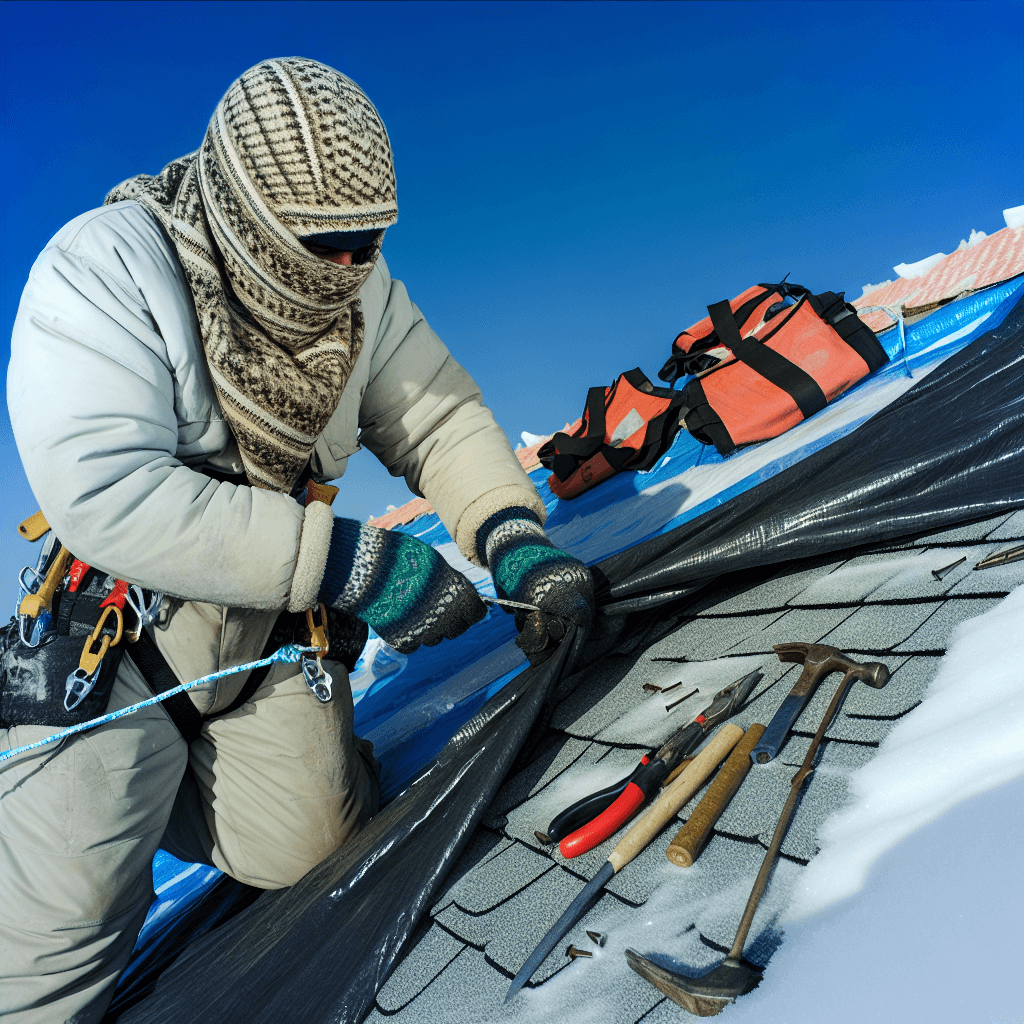
Gather the right materials before you begin. You’ll need a high-quality, thick polyethylene tarp, nails or screws, wood strips to secure the edges, and proper safety gear to prevent slips and falls.
Tip 3:
Professional installation is recommended, especially in freezing weather. Experts have the right tools and experience to install the tarp quickly and efficiently, ensuring maximum protection.
Tip 4:
Understand the importance of proper securing. A poorly attached roof tarp can lead to more damage or become a hazard if it flies off. Ensure edges are secured and checked regularly.
Tip 5:
Plan for the removal and repair. Tarps are temporary solutions, so have a plan for permanent repairs. Consult with roofing professionals to schedule the necessary work as soon as weather permits.
Your Top Emergency Tarping Questions Answered
How quickly should I tarp my roof after noticing damage in freezing weather?
Act immediately to tarp your roof as soon as you notice any damage. Delays can lead to significant water damage and increased repair costs.
What materials do I need for emergency roof tarping?
You’ll need a sturdy, weather-resistant tarp, wood strips to secure the edges, nails or screws, a hammer or drill, and safety equipment to prevent falls.
Can I tarp a roof myself, or should I hire professionals?
While it’s possible to tarp a roof yourself, professional roofers ensure a safe and proper installation, crucial during hazardous freezing conditions.
How does tarping prevent further damage during winter storms?
A well-secured tarp acts as a barrier, preventing snow, rain, and ice from entering through damaged roofing, thus stopping leaks and potential structural harm.
How long can a roof tarp last in harsh winter conditions?
A professionally installed roof tarp can last up to 90 days, but it’s a temporary solution and should be replaced with permanent repairs as soon as possible.