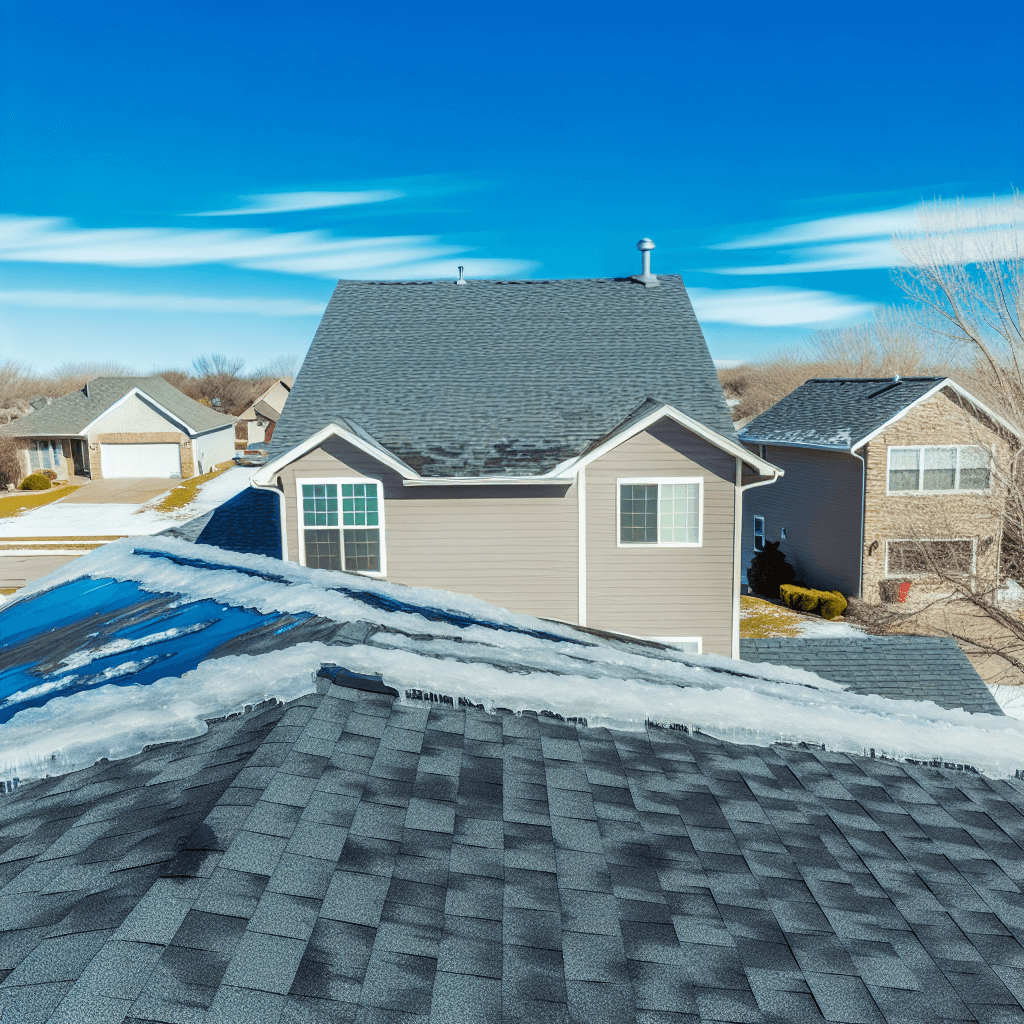
• Ice dam prevention tips for asphalt shingles to safeguard your home against winter damage
• Expert insights on the causes of ice dams and how to effectively address them
• Professional roofing solutions and services, emphasizing the significance of expert intervention
Recognizing the Warning Signs of Ice Dam Damage
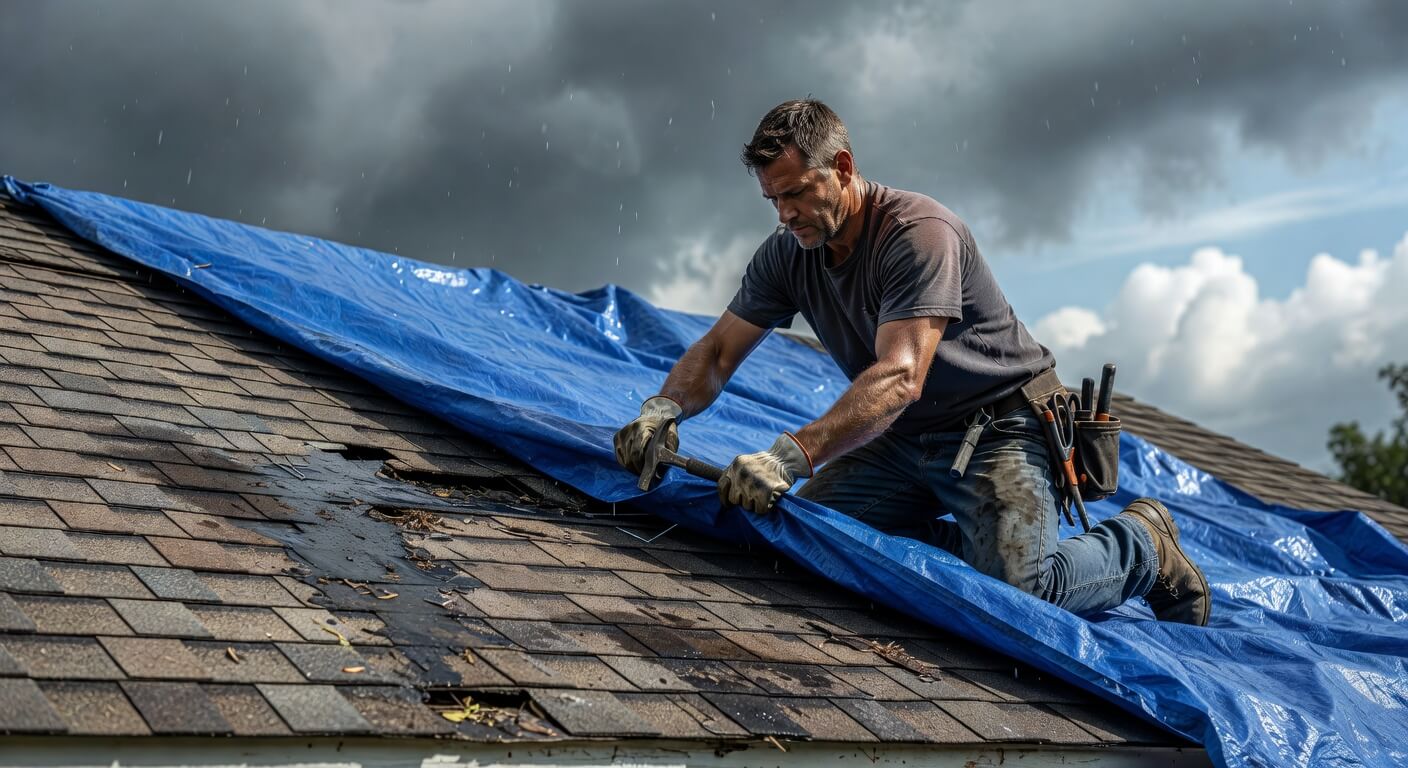
As the winter chill sets in over Fort Lee, it’s imperative for homeowners to be vigilant about the condition of their roofs. Ice dams can form stealthily, yet their impact is anything but subtle, leading to expensive repairs and potential interior damage. Begin by examining your shingles for any visible wear and tear, such as missing pieces or cracks; these can be gateways for water to infiltrate when snow melts and refreezes. Ensuring your roof is in immaculate condition is the first line of defense against the rigors of winter storms.
Cleanliness in your gutters isn’t just about aesthetics; it’s crucial to preventing problematic ice dams. Leaves, sticks, and other debris can quickly accumulate, obstructing the flow of melting snow off your roof. If left unchecked, the resultant water backup can refreeze at the eaves, creating an ice dam which forces water under your shingles—and into your home. Make gutters a priority to keep the meltwater moving as it should.
Fortify your home against winter’s bite by employing proactive measures like installing roof heat cables. These simple yet effective devices work by providing just enough warmth to prevent snow and ice from solidifying at the edges of your roof. Particularly for homes that have experienced ice dam issues previously, this step can be a game-changer in negating the cyclical freeze-thaw damage typical to the season. Opt for this solution to head off potential problems before they manifest into major concerns.
Insulation and Ventilation: Your Allies in Ice Dam Prevention
Inadequate insulation is a silent culprit in the formation of ice dams on your roof. A poorly insulated attic fails to prevent heat from escaping, causing snow on your roof to melt unevenly. To avoid the costly troubles that follow, audit the insulation levels of your attic and consider an upgrade. Proper insulation doesn’t just keep your home warmer—it’s a barrier against the ice and snow that can lead to extensive roof damage.
Along with thorough insulation, effective ventilation plays a pivotal role in maintaining an even roof temperature. An attic that breathes is one that encourages cold air to circulate, mitigating the hot spots that rise from daily activities within your home. A visit to Tony’s Roofing can help you understand your current attic ventilation and insulation state, and they will guide you on how to enhance it for a more resilient home. Investing in this upgrade can translate to a significant reduction in the likelihood of ice dam formation—providing peace of mind well beyond the winter months.
Taking Action Against Ice Dams
Should you notice the telltale signs of ice accumulation along the eaves—it’s time to act swiftly. Preventative steps like raking snow from your roof margins can be effective, but remember, safety is paramount. Using a roof rake with a long extension, carefully remove the snow from the edges; this helps lower the risk of ice dam formation without the need to climb onto slippery surfaces. Regular maintenance like this can save you from hefty repair bills in the future.
Monitoring for ice dams is a critical ongoing task during the winter months. Regular checks allow you to catch any buildup early and respond before any significant damage occurs. It’s a simple yet crucial routine that can extend the life of your roof and prevent interior water damage. When in doubt, seeking professional services from experts at Tony’s Roofing can offer a thorough evaluation and action plan, tailored to your specific roofing needs.
Step 1: Inspect Your Roof
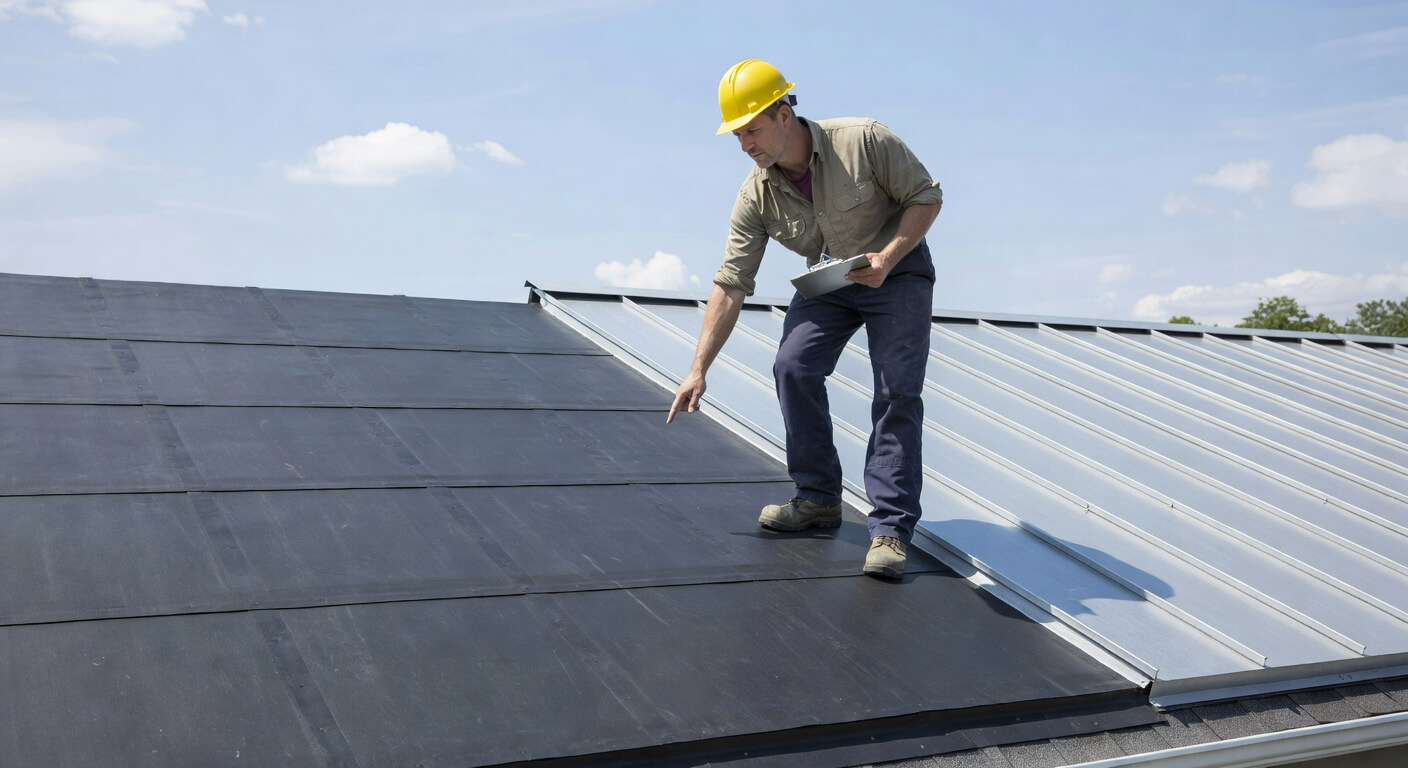
Before the winter season hits Fort Lee, inspect your roof for any signs of damage. Look for missing, cracked, or curled shingles that may make your roof vulnerable to ice dam formation.
Step 2: Clean the Gutters
Ensure your gutters are clear of debris like leaves and twigs. Clean gutters allow melting snow to flow freely, reducing the chances of ice dams developing.
Step 3: Install Roof Heat Cables
If you’ve struggled with ice dams before, consider installing heat cables along the roof’s edge. These cables help prevent snow from freezing at the eaves.
Step 4: Improve Attic Insulation
Keeping your attic and roof space well-insulated helps maintain a consistent roof temperature, decreasing the likelihood of ice damming.
Step 5: Enhance Ventilation
Proper attic ventilation allows cold air to move freely, preventing hot spots on the roof that can melt snow and contribute to ice dam formation.
Step 6: Seal Attic Bypasses
Inspect the attic for air leaks leading from the house and seal any found. This prevents warm air from causing uneven roof temperatures, a common cause of ice dams.
Step 7: Rake Snow from the Roof
After a heavy snowfall, use a roof rake to carefully remove snow from the roof’s edge. This helps prevent the build-up that can lead to ice damming.
Step 8: Monitor for Ice Dams
Regularly check for signs of ice dams throughout the winter. Early detection can prevent significant damage and give you time to address any issues promptly.
Common DIY Mistakes to Avoid in Ice Dam Prevention
Ice dam prevention often leads homeowners to attempt DIY solutions, which can sometimes cause more harm than good. Understanding the common pitfalls in tackling ice dam issues can save you time, money, and the frustration of unintended consequences. Let’s examine frequently made errors, why they happen, and how to avoid them to ensure your efforts are as effective as possible.
Mistake 1: Ignoring Minor Roof Damage
– Many homeowners overlook small signs of roof damage such as slight curling or minor cracks. This can escalate into serious vulnerabilities when ice dams form. Regularly inspect your roof and address any damage promptly to prevent minor issues from becoming major problems.
Mistake 2: Infrequent Gutter Maintenance
– Failure to regularly clean gutters can lead to blockages that contribute to ice dams. Ensure consistent gutter maintenance, especially before and throughout the winter months to maintain proper water flow away from your roof.
Mistake 3: Incorrect Installation of Heat Cables
– Improper installation of roof heat cables can render them ineffective. Follow the manufacturer’s instructions carefully or consult with a professional from Tony’s Roofing to ensure they are installed correctly and efficiently.
Mistake 4: Insufficient Attic Insulation
– Underestimating the importance of attic insulation can result in unwanted heat escape, leading to snow melt and ice dams. Check your insulation levels and upgrade if necessary to maintain an even temperature on your roof surface.
Mistake 5: Poor Attic Ventilation
– Many DIYers neglect the role of attic ventilation in preventing ice dams. Ensure your attic has proper ventilation to allow cold air to circulate and dissipate any heat that could cause snowmelt.
Mistake 6: Overlooking Attic Air Leaks
– Unsealed attic bypasses can allow warm air to consistently escape, increasing the risk of ice dams. Seal any attic leaks with appropriate materials like caulk or insulation foam to keep heat in and cold out.
Mistake 7: Rough Snow Raking
– Aggressive snow removal with a roof rake can damage shingles and gutters. Use gentle, consistent strokes to remove snow without harming your roof’s structural integrity.
Mistake 8: Lax Monitoring for Ice Dams
– Complacency in monitoring for ice dams can lead to unnoticed accumulation and damage. Stay diligent in checking for ice dams throughout the winter and act quickly if any signs emerge.
Early Detection: Staying Ahead of Ice Dam Formation
Remaining proactive is the key to warding off the destructive power of ice dams. A roof can accumulate snow silently, but the repercussions of the ice buildup can be sudden and severe. By keeping an eye out for unusual icicle formations and ice accumulating at the roof’s edge, you can often prevent the worst from happening before it begins.
Should you spot these early signals of ice dam development, do not delay in taking action. Timely measures such as removing excess snow and addressing heat escape can make all the difference. For detailed assistance, the specialists at Tony’s Residential Roofing Services can provide the necessary expertise and interventions to safeguard your home.
Conclusion: Partner with Professionals for Ice Dam Solutions
Ice dams may be a common winter challenge, but they don’t have to be a foregone conclusion for your home. With the right practices and professional guidance, you can significantly reduce the risk of ice dam damage. It’s not just about handling the current season’s snowfall; it’s also about future-proofing your home against the effects of extreme weather in Fort Lee.
To ensure the longevity of your roof and the safety of your home, it’s advisable to consult with professionals who understand local weather patterns and roofing dynamics. They can provide tailored solutions that address specific vulnerabilities in your roofing system. Visiting Tony’s Roofing could be the first step towards a more secure and ice dam-free roof this winter season.