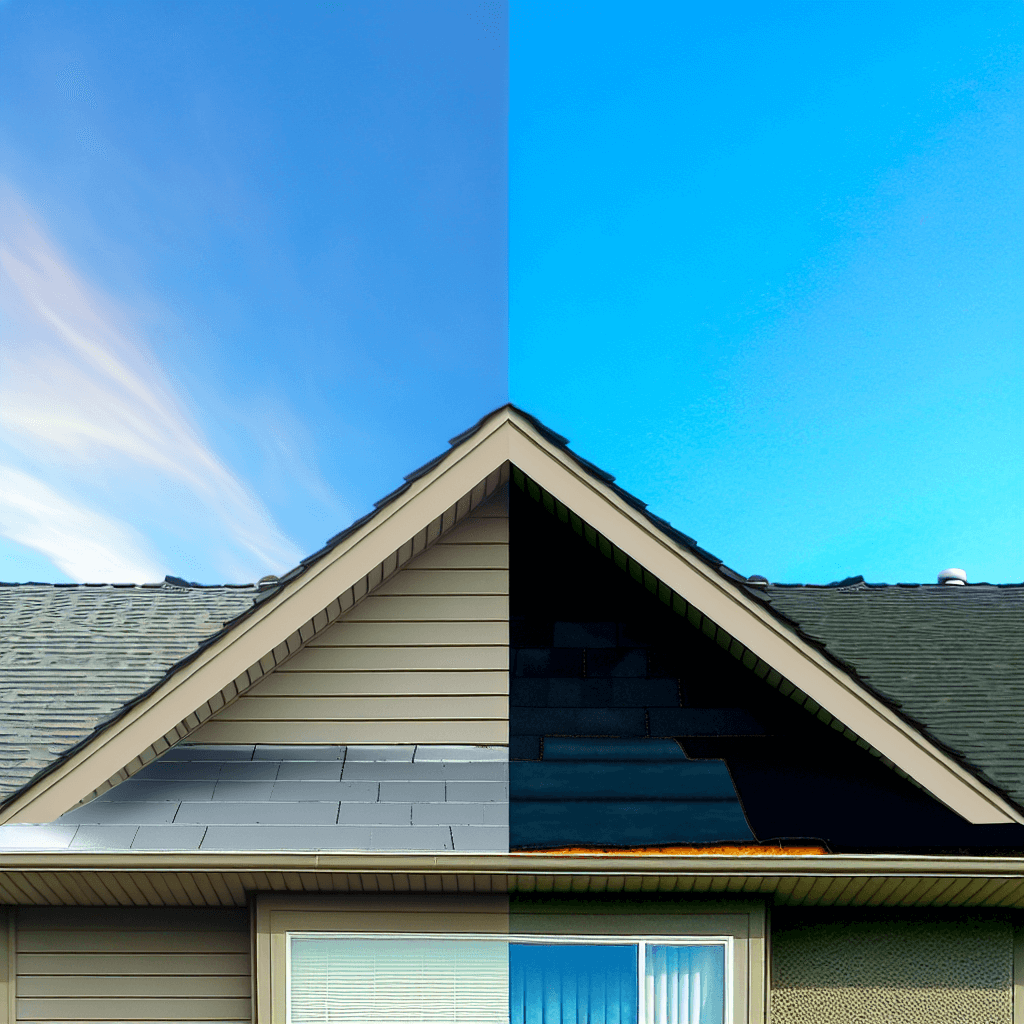
• Overview of TPO (Thermoplastic Polyolefin) and EPDM (Ethylene Propylene Diene Monomer) roofing materials
• Critical factors to consider when choosing between TPO and EPDM for your home
• Professional recommendations to ensure proper installation and maximize roofing performance
Recognizing the Signs: Is Your Roof Winter-Ready?
When the brisk winter air descends on Piscataway, it brings with it the kinds of conditions that can push a roof to its limits. Before diving into the vast world of TPO vs EPDM roofing, it’s vital to first examine your current roofing situation. Look out for signs of wear such as cracks or splits, as these are clear indicators that your roof’s current material might not be up to the task of handling another harsh winter. Even small leaks or regular icicles forming at the eaves could suggest that the roof’s insulation and waterproofing may be inadequate.
Evaluating Your Roof’s Response to the Cold
The way your roof holds up under a blanket of snow or during a frosty morning offers valuable clues about whether it’s time for a materials upgrade. If you’ve noticed that snow tends to linger longer on your roof than on your neighbors’, it could mean your current roofing material isn’t up to par when it comes to thermal regulation. Start by assessing the roof’s slope and insulation, as these factors play a significant role in the efficiency and suitability of roofing materials, especially in areas prone to snowy winters. Ponder over the roof’s current state; is the structure sagging, or are there dark streaks, which might hint at deeper issues?
Moving Beyond the Surface Issues
Even if your roof appears to be holding up well, it’s essential to consider the longevity of your roofing materials; What appears okay now might not be so next year. A roof’s reaction to weather elements such as heavy snowfall, ice dams, and the freeze-thaw cycle is also telling of its condition and future performance. A sound understanding of these factors can illuminate whether a comparison between TPO vs EPDM roofing materials is called for. Discussing these signs with a local roofing expert can also provide deeper insights into the material more suited for your building’s needs.
Heading Towards a Sturdy and Reliable Roofing Solution
Selecting the right roofing material is not just a question of preference but of performance, especially during Piscataway’s unforgiving winters. While both TPO and EDPM are leading choices for their durability and longevity, they each come with distinct benefits that cater to different needs and budgets. Whether it’s the energy-efficient and heat-reflective qualities of TPO or the low-cost and easy maintenance of EPDM, understanding these materials in depth is the key to making an informed decision. It’s not just about immediate needs, but also about considering the long-term implications on your property’s value and protection.
Professional Insight into Your Roofing Choices
Before settling on a material, it’s crucial to consult with a roofing specialist who can provide tailored advice for your specific situation. By visiting Tony’s Roofing, you get access to a wealth of knowledge from seasoned professionals who are well-versed in both commercial and residential roofing solutions. They take into account not just the Piscataway climate but also your building’s particular structure and roofing history. Making the right choice means balancing between the upfront costs and the potential savings on energy bills and maintenance in the years to come.
Step 1: Understand Your Roofing Needs
Begin by assessing the specific demands of your building in Piscataway’s winter climate. Consider factors like the roof’s slope, insulation requirements, and exposure to weather elements to determine whether TPO or EPDM roofing is more suitable.
Step 2: Learn About TPO and EPDM Roofing Materials
Educate yourself on the features of TPO and EPDM roofing. TPO is known for its heat-reflective properties and energy efficiency, whereas EPDM is renowned for its durability and ease of maintenance.
Step 3: Compare Weather Resistance
Analyze how well each material withstands winter conditions. TPO roofs are highly resistant to UV rays and colder temperatures, while EPDM’s rubber surface is resilient against hail, UV rays, and thermal shock.
Step 4: Evaluate Installation Methods
Understanding the installation process is crucial. TPO roofs typically involve heat-welded seams, providing a strong and watertight seal. EPDM can be installed with seam tape or adhesive, which is a quicker, more straightforward process.
Step 5: Consider Longevity and Maintenance
Investigate the expected lifespan and maintenance requirements of both roofing types. TPO roofing has a lifespan of about 15-20 years with minimal maintenance, whereas EPDM roofing can last up to 25 years with proper upkeep.
Step 6: Analyze Cost Implications
Compare the upfront and long-term costs. TPO roofing may have a higher initial cost due to its complex installation but offers savings in energy bills. EPDM is generally more cost-effective to install but may require more frequent maintenance.
Step 7: Choose Environmentally Friendly Options
Consider the environmental impact. TPO is often praised for being recyclable at the end of its lifespan, while EPDM’s dark color can lead to higher heat absorption, which may not align with energy-saving goals in Piscataway’s seasonal variability.
Step 8: Consult with a Local Roofing Professional
Seek expertise from a Piscataway roofing specialist who understands local weather patterns and building codes. A professional assessment will help you make a well-informed decision between TPO vs EPDM roofing for your building.
Steering Clear of Common Roofing Mistakes
While DIY roofing can seem like a cost-saving solution, certain pitfalls can turn it into a more expensive and less efficient endeavor. By understanding the common blunders to avoid, homeowners can save time, money, and ensure the longevity of their roofing. Keeping in mind the differences between TPO and EPDM materials, as well as the unique challenges of Piscataway’s winters, will guide you away from these frequent DIY errors.
Mistake 1: Inadequate Roofing Slope Assessment
Many DIYers fail to properly evaluate the slope of their roof. This oversight can lead to improper drainage and water damage over time. Ensure your roof has the right slope for the selected material, whether it’s the more slope-flexible EPDM or the typically flatter-surface-friendly TPO.
Mistake 2: Ignoring Insulation Requirements
Another frequent error is neglecting the roof’s insulation needs. In Piscataway winters, inadequate insulation can lead to heat loss and higher energy bills. Understand the insulation properties of both TPO and EPDM materials and ensure they meet your roof’s demands.
Mistake 3: Disregarding Material Weather Resistance
Homeowners might choose a roofing material without considering its resistance to local weather patterns. Remember, TPO is highly resistant to UV rays and lower temperatures, while EPDM fares well against hail and UV rays. Choose the material that will best withstand the specific conditions of Piscataway’s winters.
Mistake 4: Oversimplifying the Installation Process
Installing TPO or EPDM roofing may seem straightforward, but each has its intricacies. TPO requires heat-welding for its seams, and if not done correctly, can lead to leaks. EPDM may use seam tape or adhesive, but these too must be applied precisely. Ensure you are thoroughly versed in the installation method for your choice of roofing.
Mistake 5: Overlooking Long-Term Maintenance
Some may opt for the cheaper material without factoring in maintenance costs. TPO might initially cost more but often requires less upkeep than EPDM. Consider not just the purchase price but also the long-term maintenance when making your decision.
Mistake 6: Failing to Account for Environmental Impacts
Choosing a roofing material without considering its environmental impact is a common oversight. TPO’s light color reflects heat, potentially reducing winter heating needs, while EPDM’s darker surface may absorb more heat, impacting energy efficiency. Your choice should align with your environmental and energy-saving goals.
Weathering the Storm with the Right Roofing
When winter rolls around, the right roofing material becomes more than a choice – it’s a shield against the elements. TPO roofing excels in reflecting sunlight, which can be a boon in reducing heating costs during the cold months. Meanwhile, EPDM roofing stands out for its incredible resilience against the freeze-thaw cycles that are common in Piscataway’s winter season.
Installation: The Foundation of Roofing Excellence
A roof is only as good as its installation, which is why it’s imperative to entrust this task to professionals. Whether you choose TPO with its heat-welded seams or EPDM with its user-friendly seam tape or adhesive, ensuring a proper install is vital for peak performance. For expert installation services, you can turn to Tony’s Roofing, where the knowledge of local climates translates into roofs that last.